Future Time (Will and Going to)
Learn three common ways to talk about the future in English: will, be going to, and the present continuous for arrangements, in this A2 grammar lesson.
Let’s learn three common ways to talk about the future: (be) going to, will, and the present continuous (for arrangements).
Three ways to talk about the future
We use future forms to talk about things after now—like plans, decisions, and predictions.
We also sometimes use a present form (the present continuous) to talk about the future when an arrangement is fixed.
In this lesson:
- (be) going to = a plan decided before now / a prediction with evidence now.
- will = a decision made now / an offer or promise / a prediction based on opinion.
- present continuous = a fixed arrangement (often with time/place).
Common future time expressions:
- tomorrow
- tonight
- later (today)
- soon
- next week
- next month
- next year
Future with going to
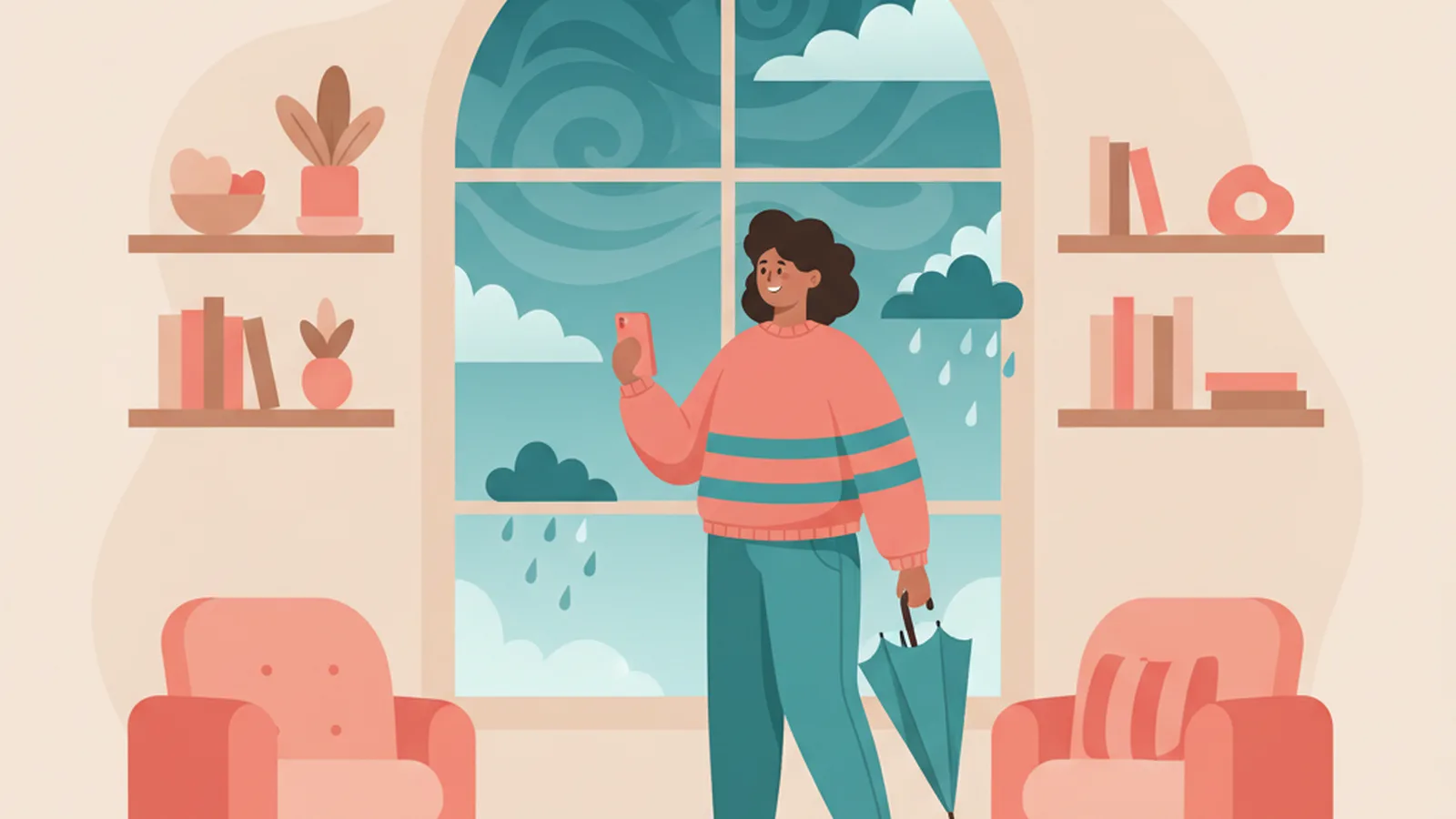
What does going to mean?
We use going to when:
- A. we already decided something before now
- B. we can see evidence now that something will happen
Remember: going to usually means a plan from before now or evidence you can see now.
Going to: positive
Subject + am / is / are + going to + base verb
Examples
- “I am going to study tonight.”
- “She is going to visit her family.”
- “They are going to buy a new car.”
In speaking, contractions are very common: I’m going to, he’s going to, she’s going to, we’re going to, and they’re going to.
Going to: negative
Subject + am / is / are + not + going to + base verb
Examples
- “I am not going to study tonight.”
- “She is not going to visit her family.” → “She isn’t going to visit her family.”
- “They are not going to buy a new car.” → “They aren’t going to buy a new car.”
Going to: questions
Am / Is / Are + subject + going to + base verb?
Examples
- “Are you going to take the bus?” — “No, I’m not. I’m walking.”
- “Is he going to visit his family?” — “Yes, he is.”
Going to for plans and intentions
(You decided before now.)
Examples
- “I am going to start a new job next month.”
- “We are going to travel to Italy.”
Going to for predictions with evidence
(You see something now.)
Examples
- “Look at the clouds! It is going to rain.”
- “Look out! That glass is going to fall.”
Future with will
What does will mean?
We use will when:
- A. we make a decision at the moment of speaking
- B. we make offers or promises
- C. we give opinions or predictions (it’s just our idea, not something we can see now)
Remember: will often means a decision now, a promise/offer, or your opinion.
Will: positive
Subject + will + base verb
Examples
- “I will help you.”
- “She will call you later.”
- “They will understand.”
In speaking, use contractions: I’ll, you’ll, he’ll, she’ll, we’ll, and they’ll. For example: I’ll help you and She’ll call you later.
Will: negative
Subject + will not + base verb
Examples
- “I will not help you.” → “I won’t help you.”
- “She will not call you later.” → “She won’t call you later.”
- “They will not understand.” → “They won’t understand.”
Will: questions
Will + subject + base verb?
Examples
- “Will you call me later?”
- “Will they understand?”
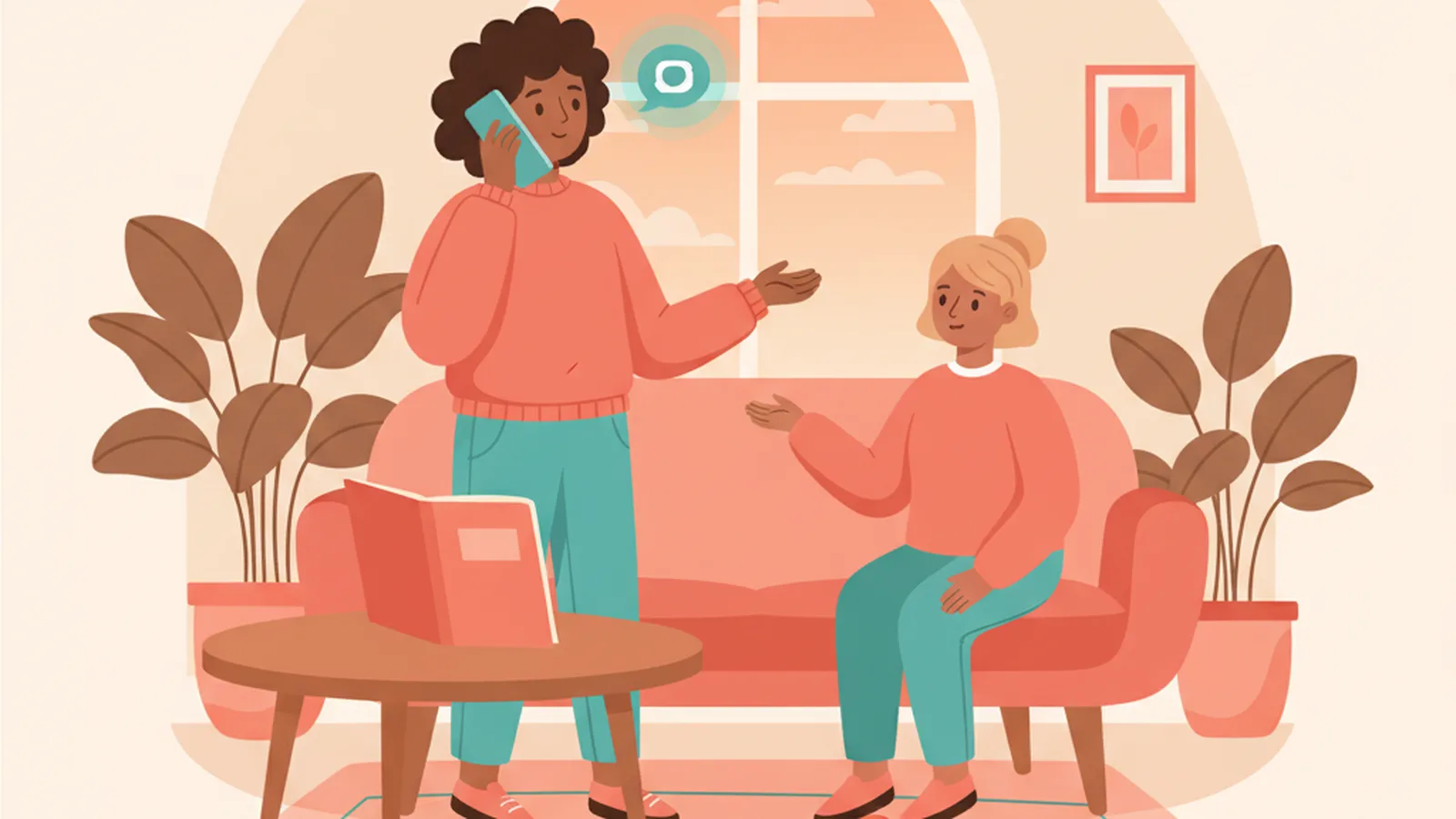
Will for decisions made now
Examples
- “I’m tired. I will go to bed.”
- “Oh, the phone is ringing. I will answer it.”
Will for offers and promises
Examples
- “I will help you with your homework.”
- “I will call you tomorrow.”
Will for general predictions (opinions)
We often use will for opinions or general predictions, especially when we are giving our idea rather than describing clear evidence we can see now.
Examples
- “I think it will be a good movie.”
- “I think people will live longer in the future.”
Will for simple future facts
We also use will for neutral facts about the future, especially in information or schedules, when we are not focusing on a decision or plan.
- “I’ll be sixteen next month.”
- “The shop will be closed on Sunday.”
Short answers for all three forms
Use the auxiliary in the question to make a short answer.
| Form in the question | Yes | No |
|---|---|---|
| be going to | “Yes, I am.” / “Yes, she is.” | “No, I’m not.” / “No, she isn’t.” |
| will | “Yes, I will.” | “No, I won’t.” |
| present continuous | “Yes, I am.” / “Yes, she is.” | “No, I’m not.” / “No, she isn’t.” |
Present continuous: a short contrast with going to
You can also use the present continuous (am/is/are + verb-ing) for a fixed future arrangement, often with a time, place, or another person. In speaking, contractions are common: I’m meeting, she’s visiting, and we’re having.
- “I am meeting my teacher at 10 a.m.”
- “We are flying to Spain next week.”
Important note: going to vs present continuous
- going to → an intention/plan (often personal)
- present continuous → an arrangement (often with a time/place, often with other people)
Sometimes both are possible; choose the form that matches the situation.
Examples
- “I am going to meet John.” (a plan)
- “I am meeting John at 6 p.m.” (a fixed arrangement)
Common mistakes
- ✗ I will to help. → ✓ I will help.
- ✗ I am going to studying. → ✓ I am going to study.
- ✗ She going to visit. → ✓ She is going to visit.
- ✗ I am meet John tomorrow. → ✓ I am meeting John tomorrow.
Quick check
Try one question now.
We have already booked the flights.
Check your answer when you are ready. No sign-in needed.
Quick recap
| Form | When We Use It | Key Distinction | Example |
|---|---|---|---|
| will | a decision now, an offer, a promise, an opinion, or a neutral future fact | opinion, decision, or a simple fact rather than evidence you can see now | I’ll answer the phone. |
| going to | a plan decided earlier or evidence now | plan or evidence | Look at those clouds! It’s going to rain. |
| present continuous | a fixed arrangement, usually with a time or place | an organised arrangement, not only a personal plan | I’m meeting John at 6 p.m. |
You reached the end
You reached the endNow make it stick.
Save your progress, or start the exercises. Practice with detailed feedback after you submit, or save your progress and come back.
Was this lesson helpful?
Last updated October 14, 2026